Alisa: A PS1‑style survival horror set in a mechanical Dollhouse
Alisa, created by Casper Croes for Mac, is a retro-styled survival horror adventure that places you inside a surreal 1920s-inspired mansion as an Elite Royal Agent. The game centers on exploration, resource management, and deliberate third-person encounters against mechanized doll adversaries and decade-appropriate weaponry. It emphasizes a late-90s aesthetic and challenging boss fights while offering branching outcomes. The title is aimed at players who enjoy PS1-era horror, atmospheric storytelling, and demanding single-player runs.
What kind of game is Alisa?
So, you enter a compact, story-driven world where the primary motivation is escape and pursuit: Alisa chases a notorious criminal and becomes trapped in a Victorian mansion transformed into a Dollhouse. Encounters push you toward careful decision-making, exploration of locked rooms and secret paths, and choices that affect multiple endings. The narrative posture privileges consequence, each discovery reshaping available routes and revealing new connections in the estate.
How hard is it to get started?
Thus, the title asks for deliberate attention from the first hour. Difficulty leans toward Soulsborne-style encounters with scarce supplies and complex boss fights, so players face steep moments early on. The saving mechanic uses Toothwheels as a collectible currency spent at puppet stations, creating a tangible risk-versus-reward loop. A modern control scheme exists as an alternative for those who prefer contemporary camera and movement handling.
What does the game look and sound like?
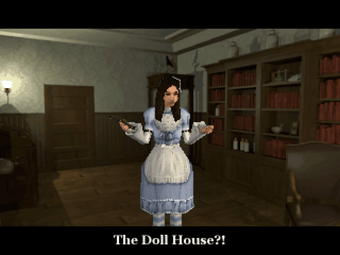
The presentation deliberately evokes 32-bit consoles: pre-rendered backgrounds combine with jagged low-polygon characters, a 4:3 aspect ratio, and intentionally rough voice work that echoes late-90s releases. Atmospheric compositions were created by Arisa Yoshimura, which bolster the uncanny tone of the Dollhouse. Visual choices emphasize mood over fidelity, so environments deliver rich texture and composition even when models remain visibly low-res.
What keeps players returning after the first run?
Player retention rests on layered content and variety: the Developer's Cut restores missing areas, adds enemies, expands weapon options, and introduces New Game Plus. Multiple endings and secret routes invite replays to uncover alternate outcomes. Progression systems include purchasable outfits and armors that alter stats, plus an in-game merchant who trades items for collected Toothwheels, giving new runs different tactical possibilities.
Alisa rewards players who accept old-school demands and focused exploration
Alisa is a deliberate choice for players who treat single-player horror as a puzzle of resource management and route memorization; those who prefer short, casual sessions may find its design taxing. The game suits enthusiasts of period-specific presentation and tightly authored levels, though its aesthetic and challenge make it a niche, rather than a general, recommendation.